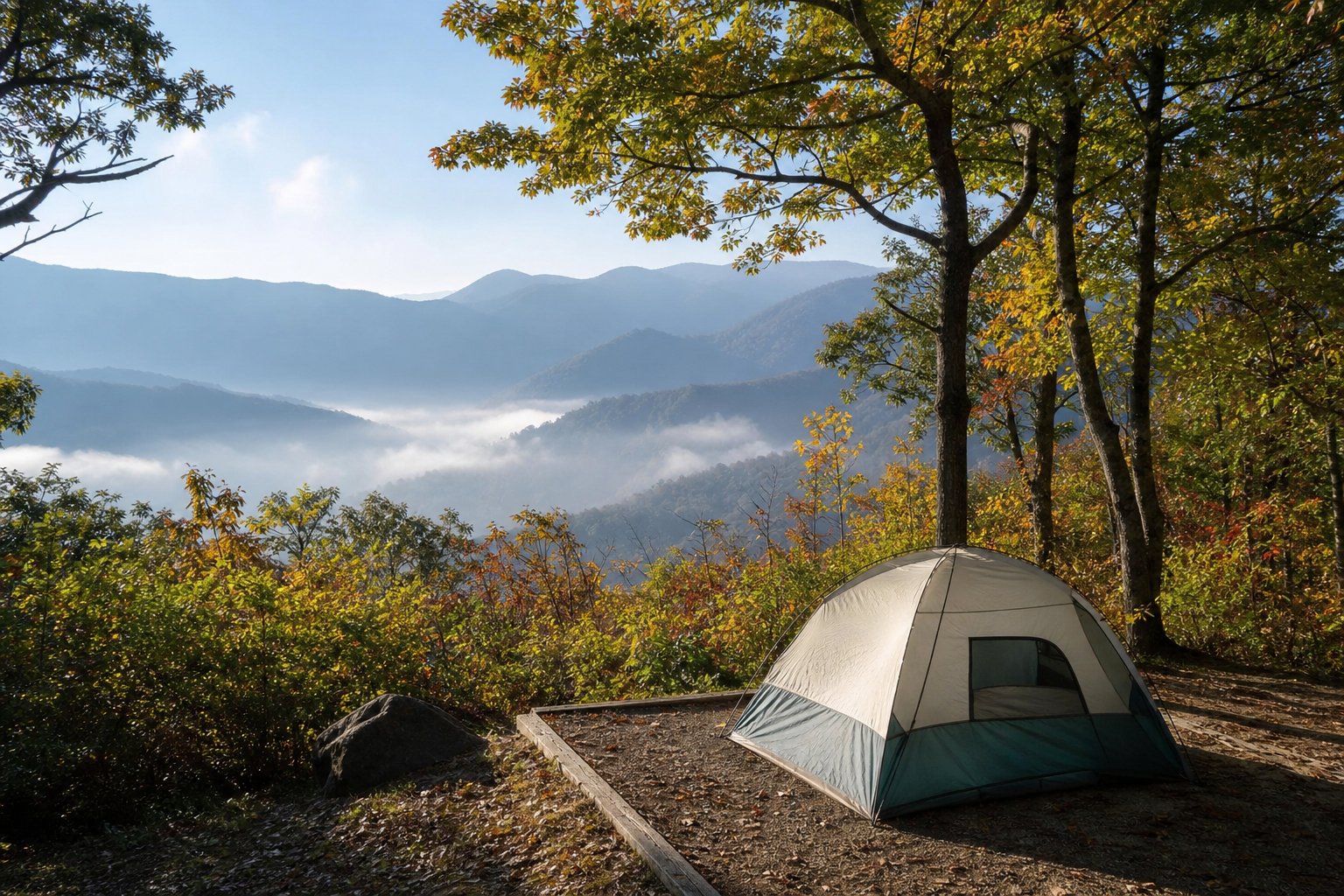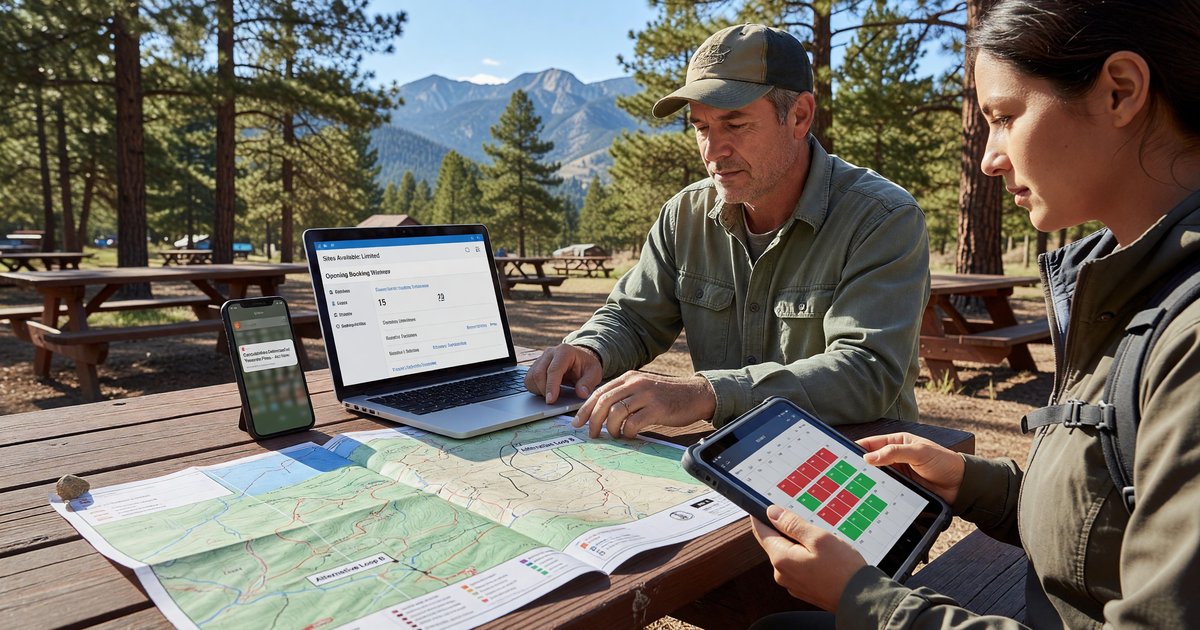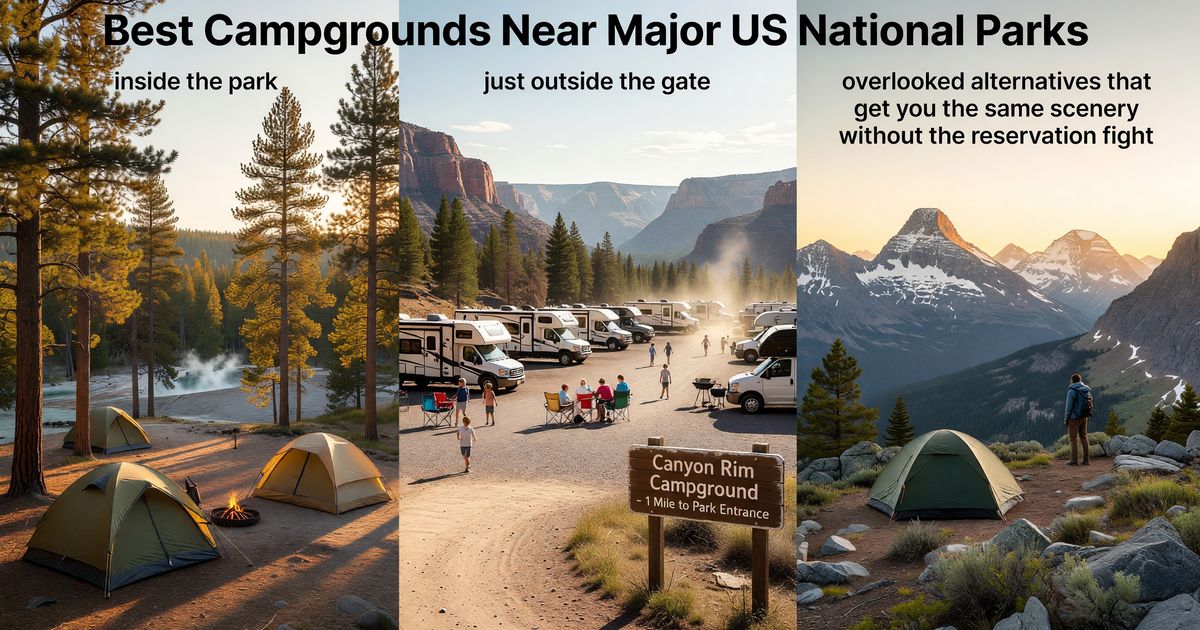
Camping near a national park sounds simple until you try to book a site. The most popular parks — Yellowstone, Yosemite, the Grand Canyon — have campgrounds that fill within seconds of the reservation window opening, often months in advance. First-timers get shut out. Experienced campers know the workarounds.
This guide covers the best campgrounds near six of America's most-visited national parks: where to stay inside the park if you can get it, what the gateway alternatives look like, and a few overlooked options that deliver comparable access without the competition.
Yellowstone National Park
Yellowstone has twelve campgrounds within the park boundaries, ranging from the massive Madison (278 sites) to small tent-only spots like Slough Creek. Most sites on the western side of the park book out six months ahead through recreation.gov.
Best inside the park: Madison Campground sits at the junction of the Firehole and Gibbon rivers, close to Old Faithful and the geyser basins on the western loop. It is generator-free after 8 pm, which matters. Book exactly six months out.
Best gateway alternative: Custer Gallatin National Forest surrounds Yellowstone on multiple sides. The Hebgen Lake area northwest of the West Entrance has dispersed camping on forest land and developed sites at Rainbow Point Campground. You lose zero access to the park — the West Entrance is 10 minutes away — and reservations are far easier to secure.
Overlooked option: Grand Teton National Park is 10 miles south of Yellowstone's South Entrance. Colter Bay Campground in Grand Teton is large, well-maintained, and shares the same mountain and wildlife ecosystem. Many people use it as a base for both parks.
Yosemite National Park
Yosemite Valley campgrounds are among the hardest reservations in the US national park system. Yosemite Valley sites (Upper Pines, Lower Pines, North Pines, Camp 4) release five months in advance and are gone within minutes. The park also requires a day-use reservation during peak season just to drive in.
Best inside the park: Tuolumne Meadows Campground sits at 8,600 feet in the high country and is accessible only when Tioga Road is open (roughly June through October). It books out fast but not instantly the way valley campgrounds do. The setting — open granite meadows, scattered lodgepoles, the Tuolumne River nearby — is arguably better than the valley.
Best gateway alternative: Stanislaus National Forest wraps around Yosemite's western and southern approaches. The Groveland area (Highway 120 corridor) has multiple campgrounds including Sweetwater and Lost Claim, both close enough to Yosemite's Big Oak Flat Entrance for a reasonable morning drive in.
Overlooked option: Hodgdon Meadow Campground inside Yosemite near the Big Oak Flat Entrance books out much later than valley sites and gets a fraction of the attention. You are 45 minutes from the valley floor but inside park boundaries with full NPS amenities.
Grand Canyon National Park
The South Rim is the one most visitors mean when they say "the Grand Canyon." Mather Campground, just south of the canyon rim, is the primary option — 327 sites, reservations required March through November. It books six months ahead and fills fast for summer dates.
Best inside the park: Mather Campground is the practical choice for most visitors. Sites are densely packed by backcountry standards but the infrastructure is solid — flush toilets, showers nearby at the Camper Services building, easy shuttle access to the rim. Desert View Campground on the East Rim is first-come-first-served and often has space when Mather is sold out.
Best gateway alternative: Kaibab National Forest borders both the South and North Rims. The South Rim side has dispersed camping on forest roads off Highway 64 — free, no reservation required, 15-30 minutes from the park entrance. You need a high-clearance vehicle for most of it.
Overlooked option: The North Rim gets roughly 10% of South Rim visitation and has a legitimately good campground (North Rim Campground) that is much easier to book. It is a 4.5-hour drive from the South Rim via Navajo Bridge — not a day trip — but for a dedicated Grand Canyon camping trip, the North Rim experience is superior in many ways.
Great Smoky Mountains National Park
The Smokies are the most-visited national park in the US, but camping logistics are more manageable than Yellowstone or Yosemite. Frontcountry campgrounds book through recreation.gov up to six months ahead for peak dates.
Best inside the park: Elkmont Campground on the Tennessee side is the largest (220 sites) and most central, with the Jakes Creek and Little River trails accessible on foot. Cades Cove Campground on the western loop is a close second — you are camped right at the entrance to one of the best wildlife-viewing drives in the East.
Best gateway alternative: Cherokee and Gatlinburg both have private campgrounds and KOA-style parks that work as bases. The quality varies widely. A better option is Nantahala National Forest to the south — the Tsali Recreation Area near Bryson City has lakeside sites on Fontana Lake and is an easy drive to the park's North Carolina entrances.
Overlooked option: Cosby Campground on the northeastern corner of the park is a consistent under-the-radar pick. It is quieter than Elkmont, has good trail access to Mount Cammerer, and tends to have availability when the larger campgrounds are full. See also our guide to booking state park campsites for North Carolina options nearby.
Acadia National Park
Acadia on Maine's Mount Desert Island has two main campgrounds: Blackwoods and Seawall. Both book through recreation.gov and fill fast for July and August dates.
Best inside the park: Blackwoods Campground is the closer option to Bar Harbor and the park's main carriage road network. Seawall on the quieter southwest side of the island has walk-in tent sites and a more relaxed atmosphere. If you can get Seawall, take it — the Bass Harbor Marsh and Ship Harbor trails are right there.
Best gateway alternative: Lamoine State Park on the mainland across Frenchman Bay is a solid alternative. The views of Cadillac Mountain from across the water are legitimately good, and the Maine state park reservation system is less competitive than recreation.gov for Acadia. The Bar Harbor ferry makes it a viable base.
Overlooked option: Private campgrounds in Trenton (on the causeway to Mount Desert Island) are often the last-resort option but some are actually decent. Mount Desert Campground on the island's quieter side has waterfront sites on Somes Sound and a genuinely peaceful setting.
Joshua Tree National Park
Joshua Tree is a desert park where the camping experience varies dramatically by season. Summer (June–September) is brutal and largely avoided. Spring wildflower season (February–April) and fall (October–November) are peak.
Best inside the park: Jumbo Rocks Campground is the most visually dramatic — 124 sites scattered among massive boulder formations. First-come-first-served during off-peak season, reservation required during busy periods. Skull Rock Trail starts right from the campground.
Best gateway alternative: The BLM land surrounding Joshua Tree (particularly to the south and west) allows dispersed camping. The Cholla Cactus Garden area on Highway 62 has nearby BLM land with no-fee camping and direct desert access.
Overlooked option: Hidden Valley Campground inside the park is small (44 sites), tightly booked, but surrounded by the best bouldering in the park. Worth checking for last-minute cancellations if your trip involves climbing. For families, see our guide to campground activities for kids for how to make a desert camping trip work with children.
How to Get National Park Campground Reservations
The booking window for most national park campgrounds on recreation.gov is six months in advance, rolling daily. That means a site for July 4th releases on January 4th, and a site for July 5th releases on January 5th. Set an alarm for 10 AM Eastern on the exact morning, have your account logged in and payment ready, and be prepared to move fast.
For campgrounds that fill instantly, also check cancellations. Recreation.gov sees a steady stream of cancellations, especially in the 2-3 week window before a trip. The site does not have a cancellation alert system, but third-party tools can notify you of openings.
If you cannot get the park campground, gateway national forest land is almost always a viable alternative. The scenery is often just as good, the access is comparable, and the booking pressure is dramatically lower. For strategies on beating competitive booking windows, see our guide to campground reservation tips.
Frequently Asked Questions
How far in advance do national park campgrounds book out? Most national park campgrounds on recreation.gov open reservations six months in advance on a rolling daily basis. High-demand campgrounds at parks like Yosemite Valley, Yellowstone's Madison, and the Grand Canyon's Mather often fill within minutes of the reservation window opening.
What is the best alternative if I can't get a national park campsite? National forest land adjacent to national parks is almost always the best alternative. It offers comparable scenery and park access, with far less reservation competition. BLM land near parks like Joshua Tree and the Grand Canyon allows free dispersed camping with minimal requirements.
Which national park campground is easiest to get a reservation for? Among major parks, Cosby Campground in Great Smoky Mountains, Desert View in the Grand Canyon, and campgrounds in the less-visited sections of Acadia tend to have more availability than the most popular sites. North Rim campgrounds at the Grand Canyon are significantly easier to book than South Rim.
Can I camp for free near national parks? Yes. BLM land and national forest dispersed camping near many national parks allows free camping with no reservation. Requirements vary — most dispersed camping has a 14-day stay limit and requires you to camp 200 feet from water sources and trails. Check the specific national forest or BLM field office website for regulations near your destination park.
Do I need a reservation to camp at all national park campgrounds? Not all. Many national park campgrounds, particularly smaller ones and those in less-visited parks, are still first-come-first-served. Within major parks, Desert View (Grand Canyon), Cosby (Smokies), and some Acadia sites are first-come-first-served for part or all of their season. Always check the specific campground on nps.gov or recreation.gov before your trip.