In June 2026, Grand Canyon National Park reported three deaths in a single week tied to apparent heat-related illness. A 72-year-old man was found unresponsive on the South Kaibab Trail on June 12. Four days later, on June 16, a 67-year-old man and a 68-year-old woman were found on the North Kaibab Trail. All three were located after coordinated ranger response, including aerial support, and none survived. The park's own statement was blunt: inner-canyon temperatures were exceeding 109°F in the shade during midday hours, and elevation drops of a few thousand feet inside the canyon can mean air 20 to 25 degrees hotter than what visitors feel at the rim.
These weren't unprepared tourists wandering off a paved overlook. Grand Canyon officials have not released full details on each hiker's preparation, but the pattern — multiple fatalities in the same stretch of an unusually hot June, across different trails and different age groups — is the story. Desert and canyon heat does not politely wait for you to feel bad before it becomes dangerous, and "bring plenty of water" is not, on its own, a safety plan.
This guide is about the preparation that actually matters: recognizing heat illness before it becomes an emergency, timing your hiking and travel around the hours that kill, and choosing sites and trip structures that reduce your exposure in the first place. None of this requires giving up desert and canyon camping — some of the best campgrounds in the National Park System sit in exactly this terrain. It requires treating the heat as the primary hazard of the trip, not an inconvenience around the edges of it.
Why Canyon and Desert Heat Is More Dangerous Than It Looks From the Rim
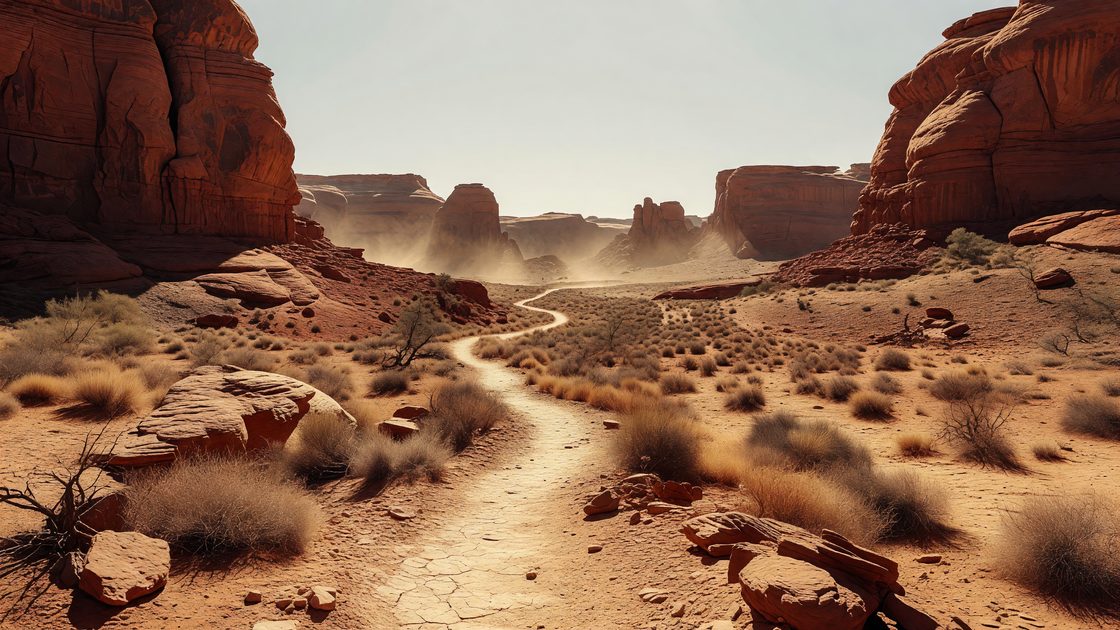
The core hazard at places like the Grand Canyon is elevation-driven temperature swing combined with radiant heat off exposed rock. At the South Rim, June afternoons might sit in the mid-80s to low-90s — uncomfortable, but not unusual. Drop a few thousand feet to the Colorado River at the bottom of the canyon and the same afternoon can be pushing 110°F or higher, with almost no shade on many stretches of trail and rock surfaces radiating stored heat back at hikers well after the sun has technically stopped beating down directly.
This inversion catches people because it runs backward from most peoples' intuition about elevation and temperature. Hikers plan for a warm day based on rim conditions, then discover an hour into the descent that the canyon floor is a different climate entirely — and by the time that's obvious, they're already committed to the return climb, now in the hottest part of the day, working against gravity.
The same dynamic applies, with less severity, to other desert and canyon environments: Utah's canyon country, Big Bend in Texas, the low deserts of California and Arizona outside the national park system. Any campground or trail with significant elevation change and minimal tree cover carries some version of this risk in summer.
Recognize Heat Exhaustion Before It Becomes Heat Stroke
The difference between "uncomfortable hike" and "medical emergency" is often a narrow window, and knowing where that line sits is the single most useful piece of knowledge you can carry into desert heat.
Heat exhaustion is the body losing the fight to keep cool through sweating. Watch for heavy sweating, headache, nausea, dizziness, weakness, irritability, and unusually low urine output. A person with heat exhaustion is still coherent — they can usually tell you they feel bad. This stage is treatable in the field: stop, get into shade, drink water, cool the skin with wet cloth, rest until symptoms clear.
Heat stroke is the medical emergency. It happens when the body's cooling system fails outright — the person may stop sweating, skin can turn hot and dry (or, confusingly, sometimes stay damp), and core temperature climbs above 103°F. The critical distinguishing sign is brain involvement: confusion, slurred speech, strange behavior, or loss of consciousness. A hiker who suddenly seems "off," disoriented, or is stumbling without an obvious reason is showing signs that go beyond heat exhaustion.
Heat stroke requires immediate cooling and emergency evacuation — this is not a "walk it off" situation, and further exertion at this stage can be fatal. If cell signal allows, call 911 or park emergency dispatch immediately; in the backcountry, this often means sending someone ahead for help while others work to cool the person down with any available water and shade. The CDC's guidance on heat-related illness lays out the full symptom list and first-aid response, and it's worth reading before a desert trip, not during one.
The uncomfortable truth in the Grand Canyon fatalities is that heat stroke can progress fast enough that there is no clean warning window once someone is already deep into exertion in extreme heat. That's the argument for prevention over recognition — the goal is to never get close to that line.
Time Your Hiking Around the Hours That Kill, Not Around Your Itinerary
Grand Canyon rangers' standing guidance is to stay off inner-canyon trails entirely from 10 a.m. to 4 p.m. during summer heat advisories — not "hike cautiously," but stay off the trail. That's the single highest-leverage decision available to any desert or canyon camper: structure the trip so strenuous activity happens before mid-morning and after late afternoon, and treat the middle of the day as mandatory rest, not flexible time.
In practice this means:
- Start before sunrise for any meaningful mileage. A pre-dawn start on a canyon descent buys hours of cooler temperatures before the heat sets in.
- Build in a long midday layover. Plan camp or a shaded rest stop to sit out the 10 a.m.–4 p.m. window rather than pushing through it.
- Don't let a summit or destination goal override the clock. The hikers who get into trouble are disproportionately the ones who decide "just a bit further" at 11 a.m. rather than turning around.
- Check the specific forecast for your destination, not just your home departure point. Desert temperature swings by 10-15°F between years and even between days are common; an unusually early heat wave, like the one behind the June 2026 Grand Canyon deaths, can arrive before seasonal expectations catch up.
Water and Electrolytes: More Specific Than "Bring Enough"
Generic hydration advice fails because it doesn't tell you how much is enough or what "enough" even means in extreme heat. A few more specific benchmarks:
Sip continuously rather than gulping infrequently. Steady intake keeps your system ahead of fluid loss; waiting until you're thirsty means you're already behind.
Balance water with electrolytes and salty food. Drinking large volumes of plain water without replacing sodium lost through sweat can lead to hyponatremia — dangerously low blood sodium — which produces symptoms that can be mistaken for dehydration and lead to the wrong response (more plain water, making it worse). Carry electrolyte mix or salty snacks alongside water, especially on hikes longer than a couple of hours.
Know your access to water sources on the route, and don't assume they're reliable. Seasonal water sources in canyon country can be dry by midsummer; check current conditions with the managing agency before counting on a refill point.
If you're overheated and near a natural water source, use it to cool down directly. Grand Canyon rangers advise that submerging in a creek — up to the chest, for up to about 60 seconds — is an effective emergency cooling measure if you're feeling the early signs of heat illness and a water source is available.
Choosing Sites and Trips That Reduce Exposure
Prevention beats management. A few structural choices matter more than gear:
Favor higher elevation over canyon-floor camping in peak summer. If your trip has flexibility, a rim or higher-elevation campground avoids the worst of the inversion heat entirely. Many desert park systems have higher-elevation alternatives that are dramatically cooler than their signature canyon-floor sites in July and August.
Look for actual shade, not campground-map "shade" designations. A site listed as shaded on a reservation system might mean a single scrub tree that provides an hour of relief. Check recent photos or reviews before counting on shade cover, or bring a freestanding shade structure as backup.
Shorten trip length or mileage goals for the heat, not the calendar. If a heat advisory is active for your dates, this is the trip to cut short or scale back — not the one to push through because it's already booked. Reservation systems on Recreation.gov generally allow date changes; a scaled-back trip beats an emergency evacuation.
Travel with a partner and share your itinerary. Solo desert hiking in summer heat removes the safety margin of someone noticing early confusion or slowed pace before it becomes serious. At minimum, leave your planned route and expected return time with someone off-trail.
Check current conditions and advisories before you go. The National Weather Service issues heat advisories and excessive heat warnings for specific regions; the managing park or land agency's own alerts page is the most current source for trail closures or hiking restrictions tied to heat. Extreme heat and fire risk often arrive together in the same summer stretch — if a campfire is part of your desert trip, check our guide to campground fire safety and current restrictions as well.
If you're weighing a canyon-floor site against a cooler alternative, dispersed camping on BLM and national forest land often opens up higher-elevation options near desert parks that aren't in the standard reservation system.
The Takeaway
Desert and canyon camping is not inherently reckless — it's some of the most striking terrain in the National Park System, and millions of people camp and hike it safely every summer. What the June 2026 Grand Canyon deaths underline is that heat at elevation-extreme terrain scales faster and less forgivingly than most casual planning accounts for. The fix isn't avoidance; it's treating heat exposure as the central variable of the trip — timed hiking windows, real hydration and electrolyte discipline, honest shade assessment, and knowing the specific difference between "I feel rough" and "this is an emergency" before you're the one deciding.
Frequently Asked Questions
What temperature is too hot to hike in the Grand Canyon or similar desert canyons? Grand Canyon National Park advises staying off inner-canyon trails from 10 a.m. to 4 p.m. during summer heat advisories — inner-canyon temperatures can exceed 109°F in the shade, and canyon floors run 20 to 25 degrees hotter than the rim. Plan around avoiding exertion during peak midday hours rather than relying on a single temperature cutoff.
What is the difference between heat exhaustion and heat stroke? Heat exhaustion means heavy sweating, headache, nausea, and weakness, but the person is still coherent and can recover with shade, rest, and fluids. Heat stroke is a medical emergency marked by confusion, slurred speech, and body temperature above 103°F — confusion is the key warning sign that separates the two and demands immediate cooling and evacuation.
How much water do I need for desert or canyon hiking in summer? Sip continuously rather than waiting until you're thirsty, and pair water with electrolytes and salty snacks — plain water alone in large quantities can cause hyponatremia, which mimics dehydration symptoms.
Is it safe to camp at the bottom of a canyon in summer? Canyon-floor sites run significantly hotter than rim or higher-elevation alternatives due to elevation inversion and radiant heat. If your trip allows it, choosing a higher-elevation site in peak summer meaningfully reduces heat exposure.
What should I do if someone shows signs of heat stroke on a desert hike? Treat it as an emergency: move them to shade, cool them with any available water, and get help immediately by calling 911 or park dispatch if you have signal, or sending someone ahead if you don't. Do not wait to see if symptoms resolve on their own.