Something shifted in 2026, and it shows up clearly in the data.
KOA's 12th Annual Camping and Outdoor Hospitality Report — released in April 2026 and drawing on responses from tens of thousands of campers — identified what they called the "Open Road Era": a broad turn toward slower, simpler, less-documented outdoor experiences. The headline finding that got attention was the "analog camping" trend. But the numbers underneath it are worth reading carefully, because they explain something that anyone who's been watching campground culture has been noticing in practice.
The era of optimizing every camping trip — the gear-as-status-symbol phase, the social-media-documentation impulse, the push for glamping amenities that turned campgrounds into outdoor hotel lobbies — is showing real signs of fatigue. What's replacing it looks a lot like camping the way it used to be.
What the 2026 Data Actually Shows
KOA's 2026 report found that 77% of campers now say that "just being in nature is enough" — no structured programming, no resort-style amenities required. That's a number worth sitting with. Three-quarters of the camping population explicitly saying they don't need the extras.
The "analog camping" finding was specific: a measurable increase in campers, particularly Millennials and Gen Z, who are deliberately setting screens aside during their trips. Sixty percent cited traditional campfire activities and learning hands-on outdoor skills — fire-building, navigation, foraging basics — as key motivators for their trips. Half said their primary goal was simply to recharge.
Nearly half of campers (49%) reported that they intentionally plan camping trips to improve their mental wellbeing. That framing — camping as an active health practice rather than entertainment — has been growing for several years, but 2026 appears to be the year it became a mainstream planning rationale rather than a niche one.
One more number: 31% of campers said they plan to take more trips and spend more nights camping this year compared to last — a shift toward longer, slower stays rather than quick weekend getaways optimized for Instagram.
The economic context: the outdoor hospitality sector's economic footprint reached $66 billion in local community spending in 2025, up $5 billion from 2024. Over 52 million households camped at least once in 2025. The market is large and growing. The "back to basics" shift isn't happening because camping is contracting — it's happening inside a growing market that's maturing past its growth-phase novelty.
What "Back to Basics" Actually Looks Like on the Ground
The phrase "back to basics" gets used loosely, so it's worth being specific about what campers and campground operators are actually reporting.
It's not a rejection of gear quality. Campers are still investing in good equipment — better sleeping systems, more reliable camp kitchens, improved shelter. The shift is away from gear as performance or identity signal, toward gear that works and stays out of the way.
It's not a rejection of campground amenities. Full hookups, clean bathrooms, reliable water — these remain desirable. The fatigue is specifically with resort-style programming: scheduled activities, themed weekends, entertainment infrastructure that turns a campground stay into something closer to a theme-park visit.
It's a specific rejection of documentation culture. The number of campers who report putting their phones in a bag or car for extended periods during camping trips has risen meaningfully. The goal is to not have the trip mediated by a screen — to not be composing the story of the experience at the same time you're having it.
It's an increase in repeat-destination loyalty. Rather than the aspirational travel pattern of always seeking the new and undiscovered, more campers are returning to places they know well — a state park they camped at as a child, a campground an hour from home that they've visited a dozen times. Familiarity has become a feature rather than a failure of ambition.
Why This Matters for How You Book
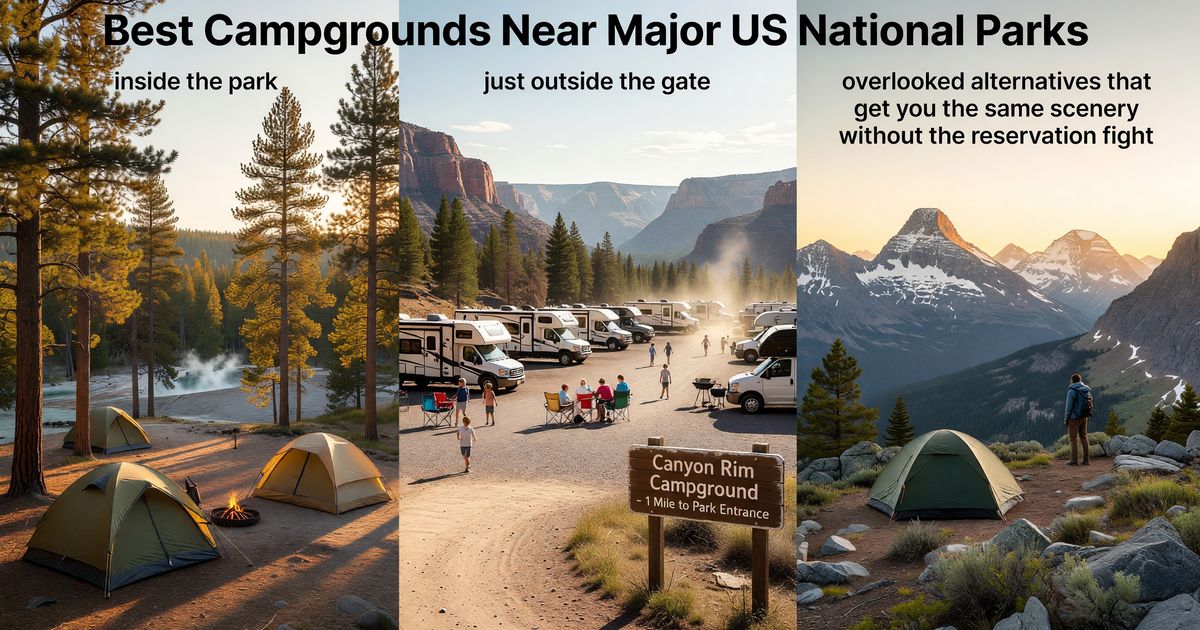
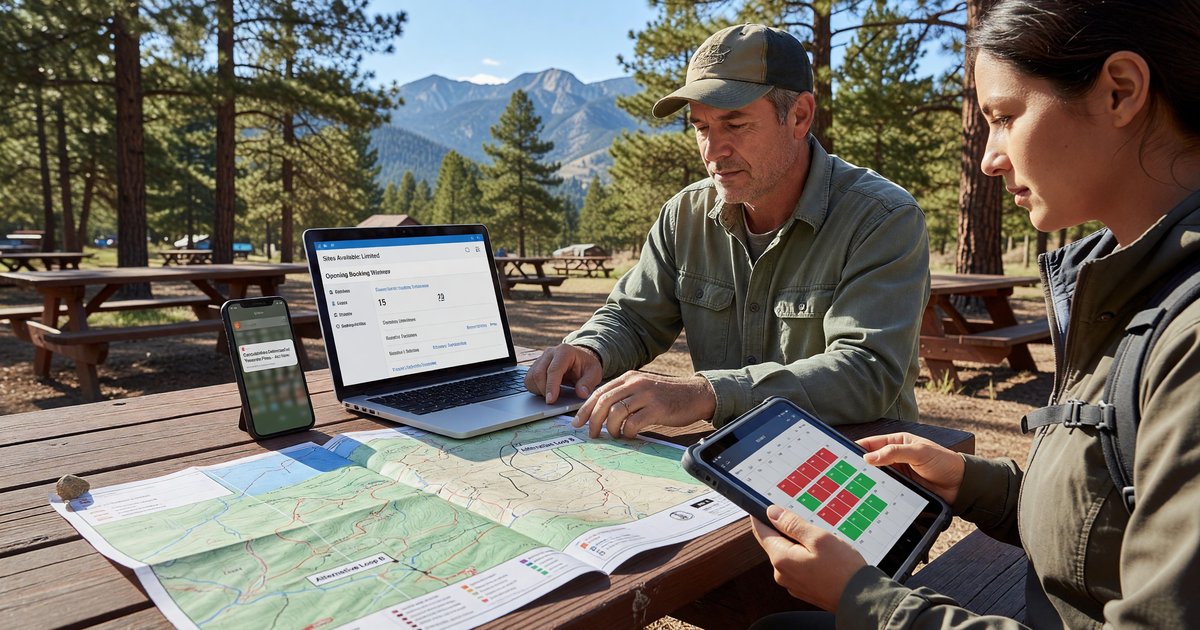
If you've been planning your camping calendar around peak experiences — the famous national parks, the bucket-list campgrounds that require waking up at 10 AM Eastern exactly six months in advance on recreation.gov — the "back to basics" turn suggests a reframe worth considering.
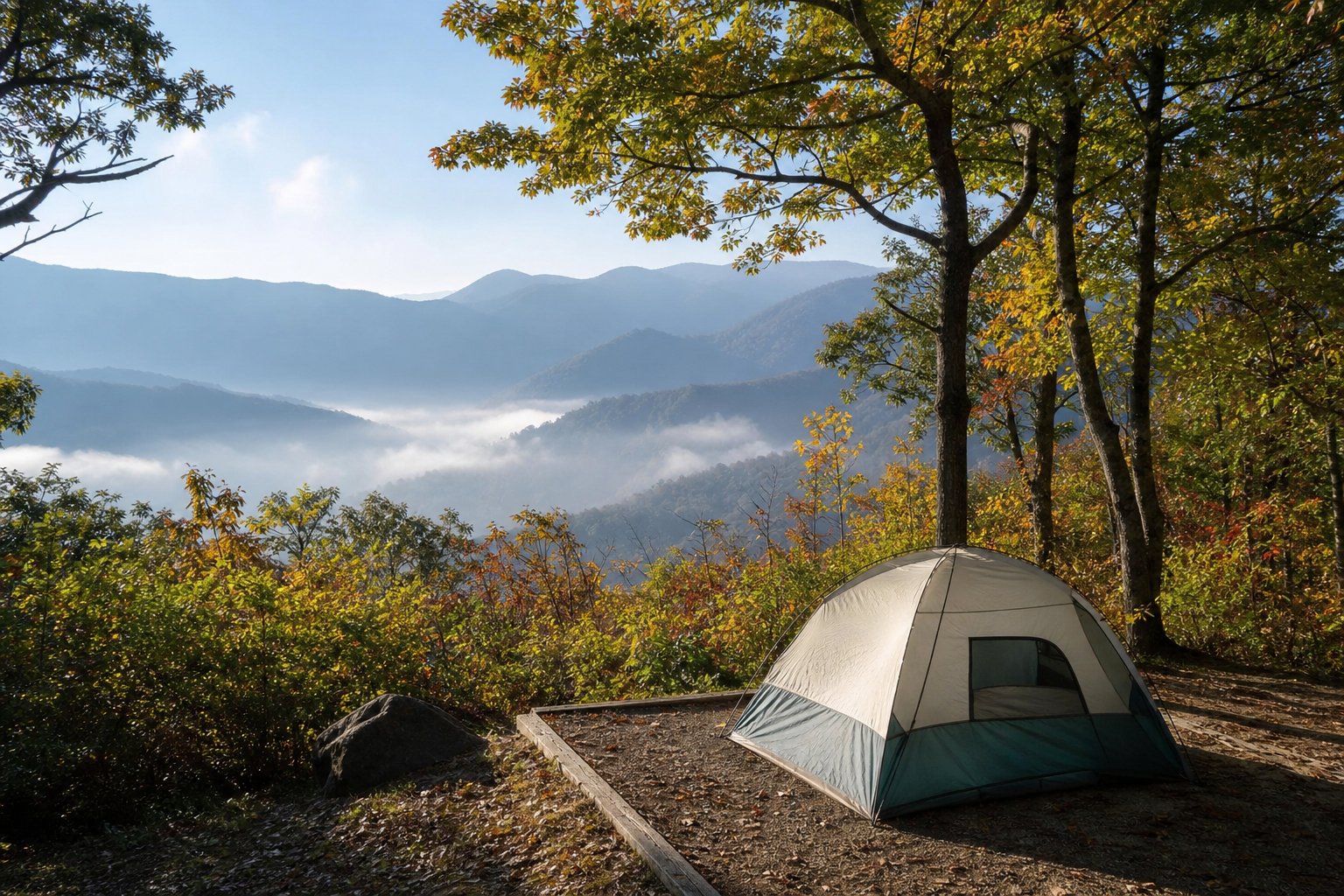
Closer campgrounds in less-famous locations are seeing increased appreciation, because they deliver the actual things campers say they want: quiet, nature access, and time. They're also significantly easier to book, often available with short notice, and frequently cheaper. A state park campground two hours from home that you know well and can get to on a Friday afternoon isn't a consolation prize. For a lot of 2026 campers, it's the point.
The campgrounds that are winning with this cohort aren't necessarily the most spectacular. They're the ones that deliver genuine quiet hours, keep the amenities functional, and don't clutter the calendar with programming nobody asked for.
A Note on What "Analog Camping" Isn't
The analog camping trend has attracted some breathless coverage, and it's worth noting what it isn't: a lifestyle ideology or a purity test. Most campers who say they're going "back to basics" still drive to their campsite, use camp stoves, and sleep in manufactured tents or RVs. They're not rejecting modernity — they're making a deliberate choice about what they use technology for during a defined window of time.
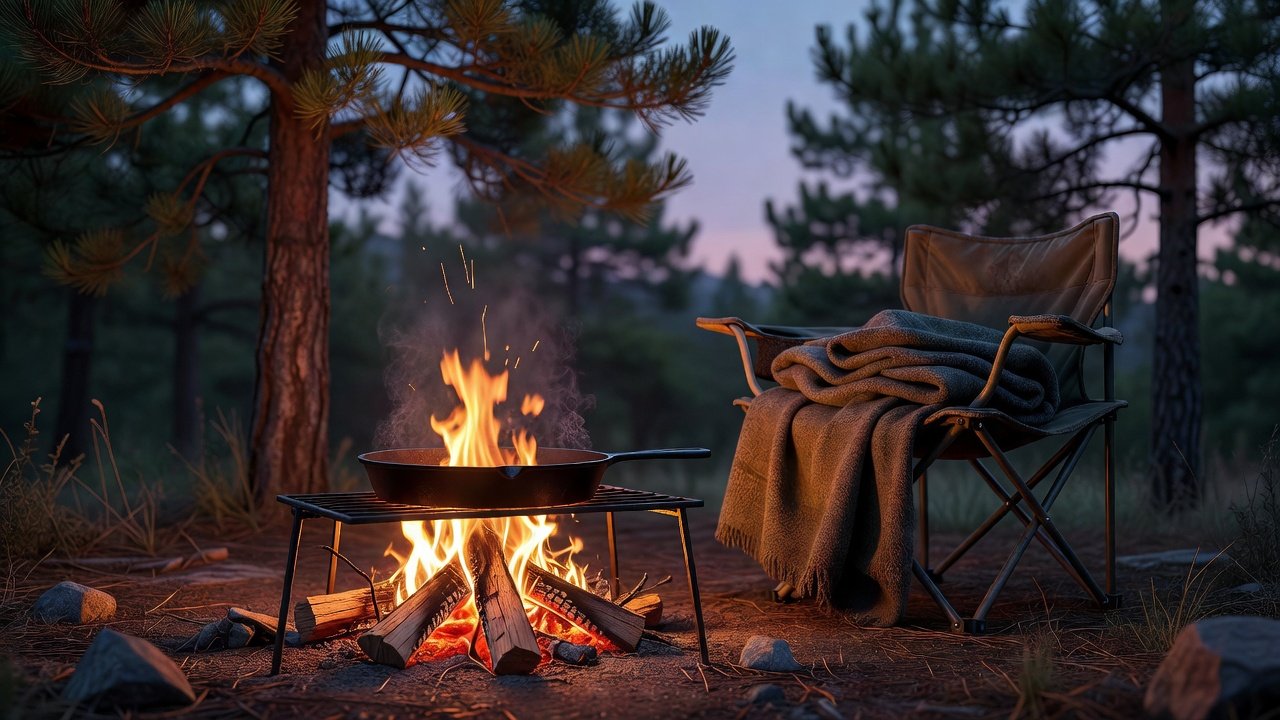
That distinction matters because the "back to basics" framing can slide into performance of its own kind — the carefully curated minimalist aesthetic, the cast-iron pan as prop, the self-conscious unplugging photographed for posting later. The actual experience people are reporting valuing is simpler than any of that: less ambient noise, more time without a task, more attention to the physical environment they're in.
What to Do With This
If your camping trips have been feeling overprogrammed or over-optimized — if you're spending more time managing your experience than having it — the 2026 data is an argument for simplifying deliberately.
Pick a campground you can get to easily. Bring what you know works. Leave the elaborate camp kitchen and go with the setup you can set up in 20 minutes. Take a longer stay if possible rather than cramming too many locations into too few nights. Let the trip be unresolved. The data suggests a lot of people are finding this more satisfying than they expected.
The campground that's been sitting within two hours of where you live, the one you've been skipping in favor of something more impressive — that's probably worth a look.