The most consistent advice serious campers give beginners: stop treating summer as the only real camping season. It's the worst time to visit most popular campgrounds — peak prices, full sites booked months in advance, weekend crowds that turn quiet forests into impromptu neighborhoods, and heat that makes long hikes genuinely miserable.
Spring and fall are different. They require slightly more flexibility and a bit more attention to weather forecasts, but for most campers and most destinations, they deliver a better experience by almost every measure that matters.
The Crowd Problem Is Real — and Shoulder Season Solves It
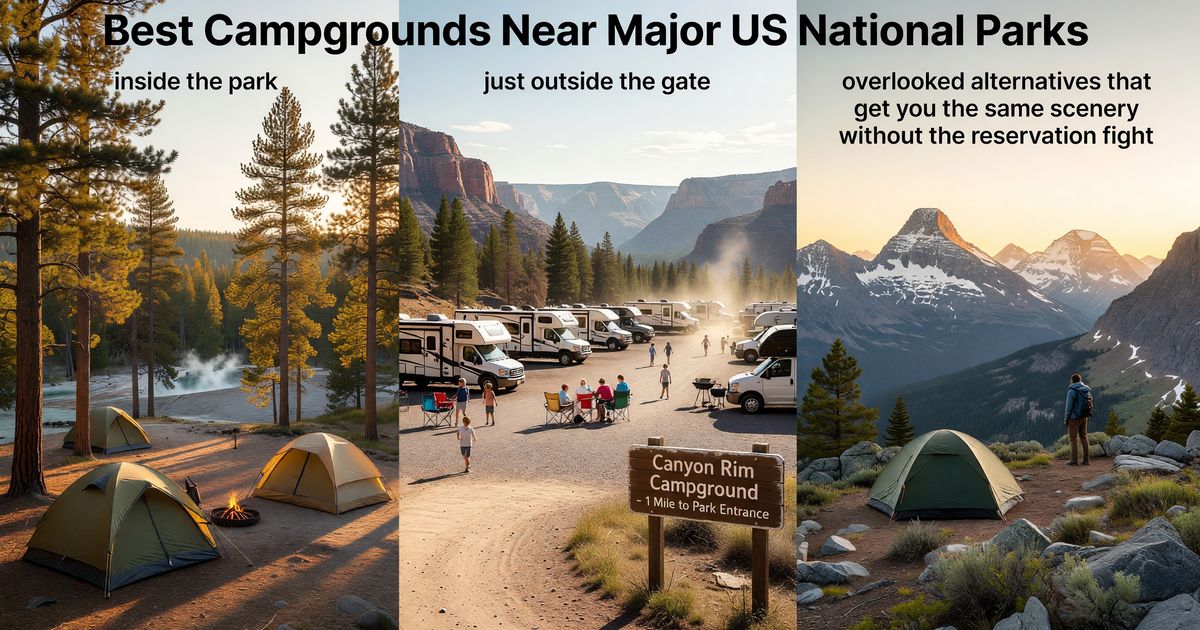
Summer camping demand at popular sites is not evenly distributed throughout the year. It concentrates in an eight-week window from roughly late June through Labor Day weekend. Inside that window, the most-sought-after campgrounds in national parks and national forests operate at or near capacity on weekends, and frequently during the week. Reservations at places like Yosemite Valley, Glacier's campgrounds, or Zion Canyon require waking up precisely at 10 AM Eastern exactly six months before your desired date, then refreshing a government website as fast as your internet connection allows.
Outside that window, the picture changes substantially. Sites that are impossible to book in July become available with a week's notice in May or September. Many state park campgrounds — which operate on shorter booking windows than federal parks — can be booked a few days in advance during shoulder season without difficulty. The campground that had zero available sites last July 4th weekend may be half-empty the last weekend of September.
The practical effect on your camping experience is significant. Fewer neighbors means quieter nights. Shorter check-in lines. More space at trailheads. Rangers who have time to actually answer your questions rather than managing a crowd. Dispersed camping areas that were overrun in summer often return to something resembling solitude by early October.
The Price Argument
Many campgrounds — both private and public — operate tiered pricing that reflects seasonal demand. Private campgrounds and RV parks commonly drop rates by 20–40% during shoulder season. State parks in many states apply lower rates to shoulder-season stays. Some federal campgrounds maintain consistent pricing year-round, but many adjust, and the cost of associated lodging (if you're combining a camping trip with a night in town) drops significantly when you're traveling off-peak.
Campspot's 2026 camping calendar analysis noted that fall camping is emerging as one of the fastest-growing reservation periods, with more campers actively scheduling September and October trips rather than treating fall as an afterthought after summer plans close out. Part of this is the pricing advantage; part of it is that experienced campers have simply figured out what shoulder season delivers.
Weather: The Real Advantage
The conventional wisdom is that summer is the best weather for camping. In many parts of the country, this is not accurate.
The Pacific Northwest: Peak hiking season is late July through September. But July and early August bring significant smoke risk from wildfires. September offers similar or better weather with dramatically reduced fire risk. Spring (May and early June) brings reliable shoulder conditions before the smoke season starts.
The Rockies: Summer at altitude brings frequent afternoon thunderstorms that make above-treeline hiking genuinely dangerous from noon onward. September shifts this pattern — mornings are clear, days are drier, and the aspens have turned. Many experienced Colorado and Wyoming campers strongly prefer mid-September to the Fourth of July.
The Desert Southwest: Summer is the wrong season for most of this region. Temperatures in canyon country regularly hit 100°F+ from June through August, making hiking either dangerous or miserable. Spring (March through May) and fall (September through November) are the actual prime seasons. Campgrounds at places like Canyonlands, Capitol Reef, and Big Bend that fill up in spring shoulder season are genuinely uncomfortable in summer.
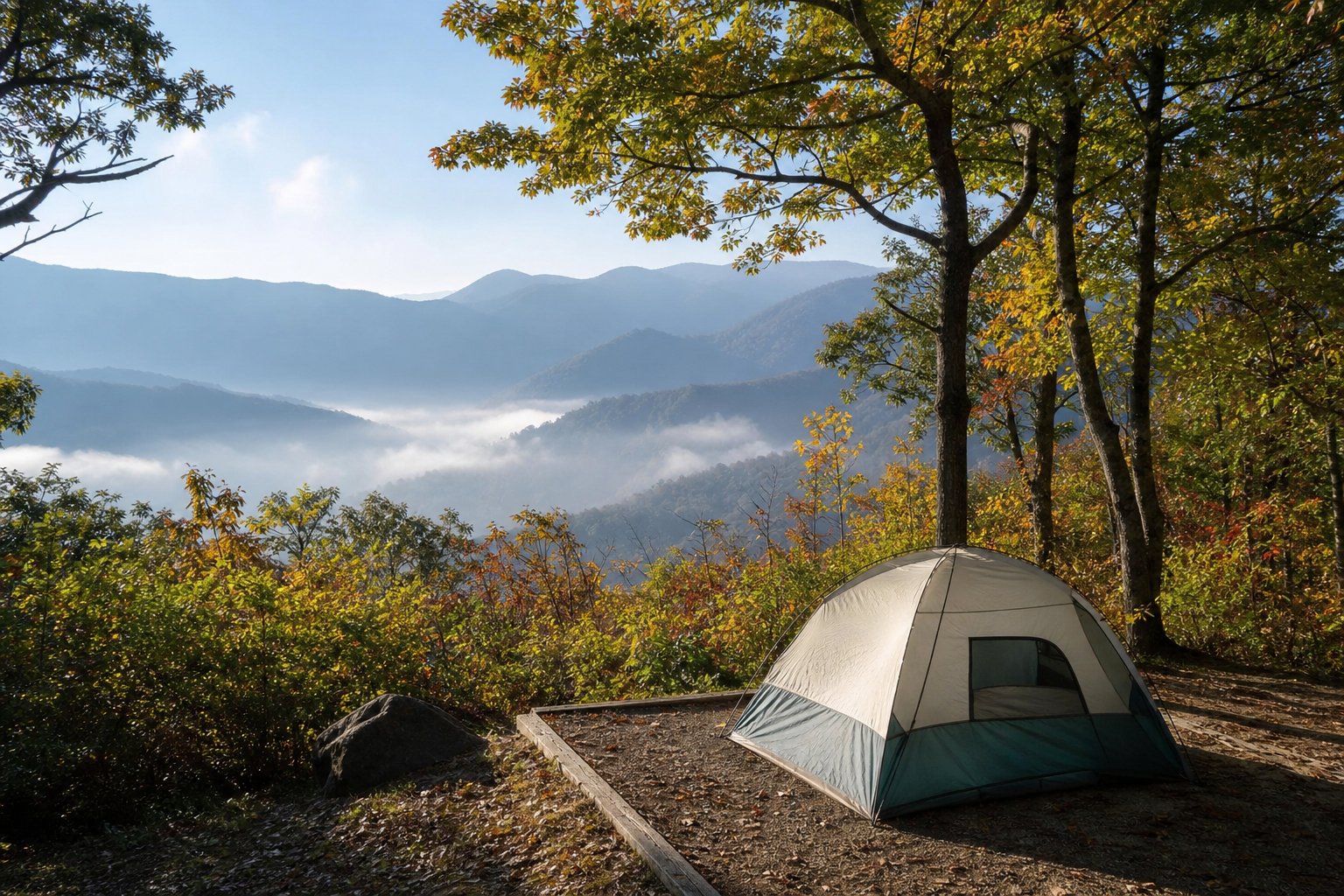
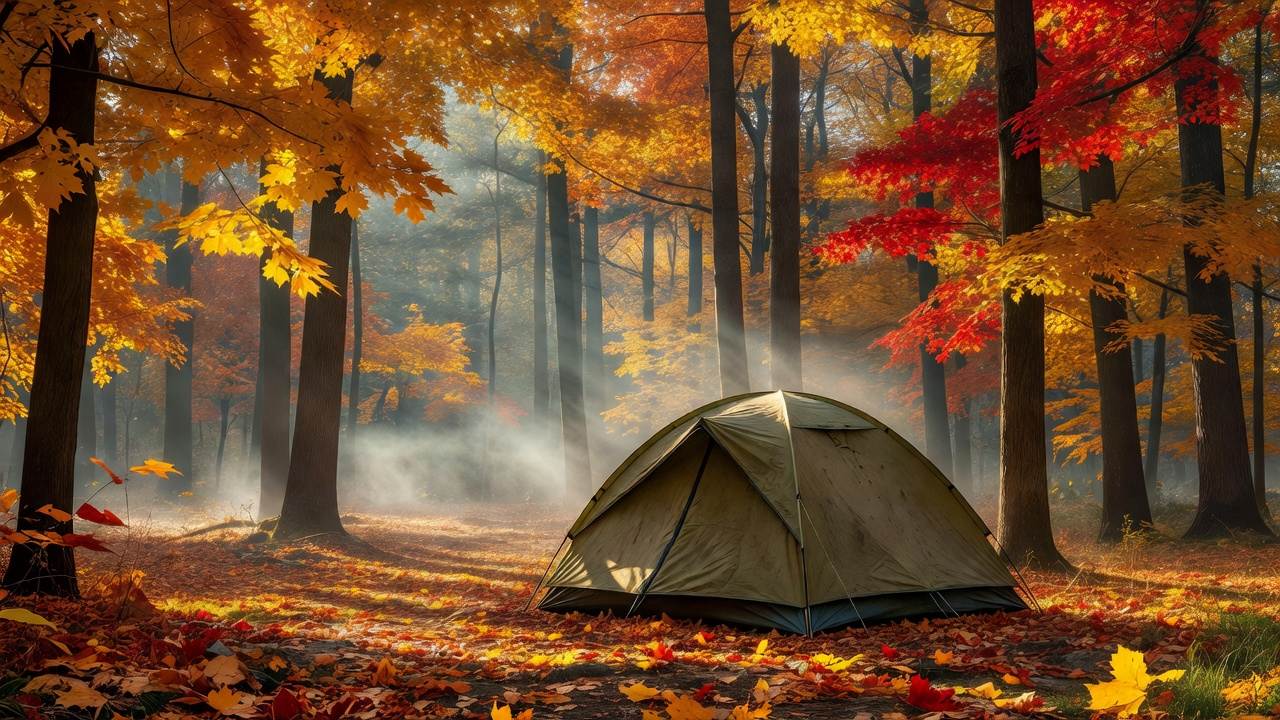
The Northeast and Midwest: Summer weather is genuinely good, but fall is spectacular in ways that no other season matches. Foliage peaks across New England and the upper Midwest run roughly from late September through mid-October depending on latitude and elevation. Campground availability in peak foliage corridors gets tighter than you might expect — book earlier than you think necessary for October leaf-peeper destinations.
The South and Gulf States: Summer is the season to avoid, not embrace — heat and humidity make camping actively uncomfortable for most campers. Spring and fall are when camping in the South works. The National Park Service notes that many southern parks see their best visitor conditions in March through May and September through November.
What Shoulder Season Requires
Being honest: shoulder season camping involves some trade-offs.
Some facilities close. Visitor centers, camp stores, and some amenity facilities at popular parks close for the season in October or earlier. The full-service campground experience is more available in summer. Before booking a shoulder-season trip, check which facilities at your specific destination will be open. The NPS and state park websites are the authoritative sources — call the park directly if the website information is ambiguous.
Weather windows are tighter. A heat wave in June is uncomfortable; a cold snap in October can be genuinely challenging if you're not prepared. Shoulder season camping rewards checking a 10-day forecast, not just a weekend estimate, and having a sleeping bag rated 15–20 degrees below what you expect temperatures to be.
Some campgrounds close entirely. High-elevation campgrounds in the Rockies and Cascades often close by mid-October due to snow risk. Check the specific campground's seasonal schedule before booking. Recreation.gov listings include seasonal open/close dates, though these can shift with early or late weather — verify closer to your trip date.
Some parks are busier than summer during peak shoulder windows. Antelope Canyon in November, Acadia in October, Great Smoky Mountains during foliage — these destinations have specific shoulder-season peaks that rival summer. Shoulder season is not universally less crowded; it is less crowded at most destinations, with identifiable exceptions.
Making the Booking Work
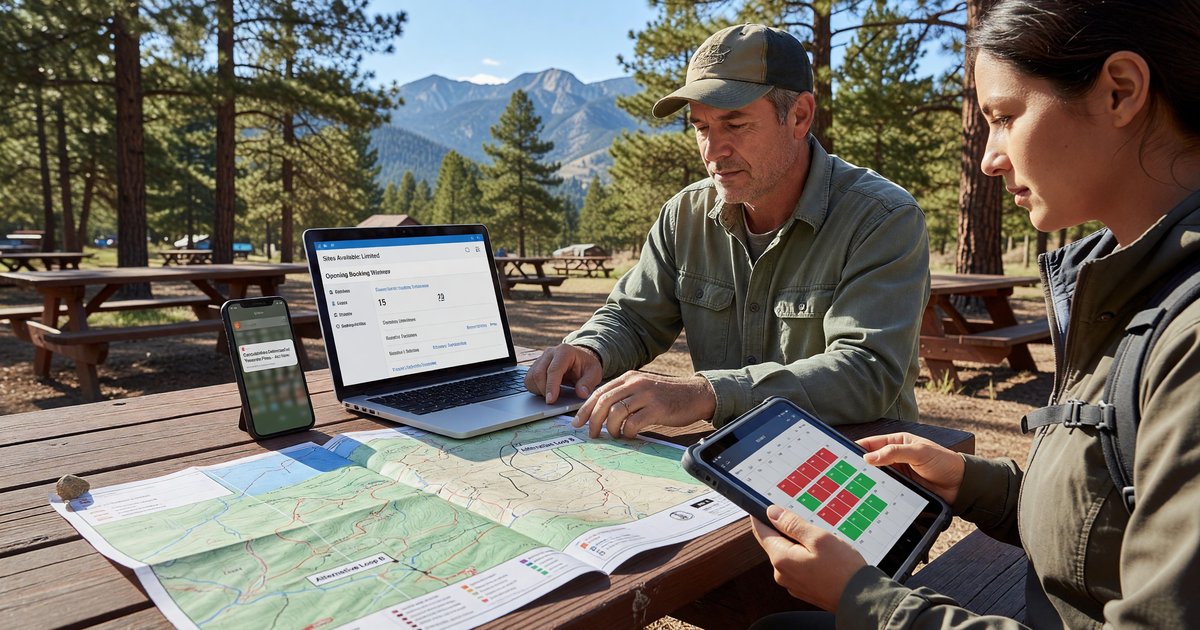
For state park campgrounds, check your state's reservation system rather than recreation.gov — most state parks operate on separate platforms. State park booking windows are typically shorter than federal (often 3–6 months rather than 6 months), which means shoulder-season availability often opens later and requires less advance-planning scrambling.
For federal campgrounds on recreation.gov, reservations still open on a rolling 6-month window at 10 AM Eastern. Shoulder-season dates are less competitive, but popular sites at well-known parks still get snapped up quickly for fall weekends at leaf-peeper destinations. Set a reminder for your target date and book as soon as the window opens.
Many campgrounds release cancellations on a rolling basis. The window 10–14 days before a trip date consistently produces a flush of cancellations as people finalize travel plans — this is worth checking for shoulder-season trips where you want flexibility.
The Bottom Line
Spring and fall camping is not a consolation prize for people who could not get summer reservations. For a large portion of North American camping destinations, it is the better product: more available, often cheaper, quieter, and — if you match the destination to the season — better weather for the activities you came to do.
If your camping calendar has been locked to Memorial Day through Labor Day, extend it. A well-planned September or May trip to a place you love often ends up being the one you talk about longest.