The U.S. Army Corps of Engineers manages more shoreline campground capacity than most people realize — over 400 lake projects across the country, many with developed campgrounds that combine clean water, reliable infrastructure, and site layouts you simply cannot replicate at a commercial RV park. For directors who book premium waterfront experiences, USACE reservoirs are the quiet backbone of the summer calendar.
The reservation systems vary by district. Some lakes run through recreation.gov; others use ReserveAmerica or a local contractor. The booking window is typically six months out, though several high-demand lakes open at midnight Central rather than the standard 10 AM Eastern recreation.gov release. Know your district before you set the alarm.
Why Corps Lakes Outperform Private Waterfront Parks
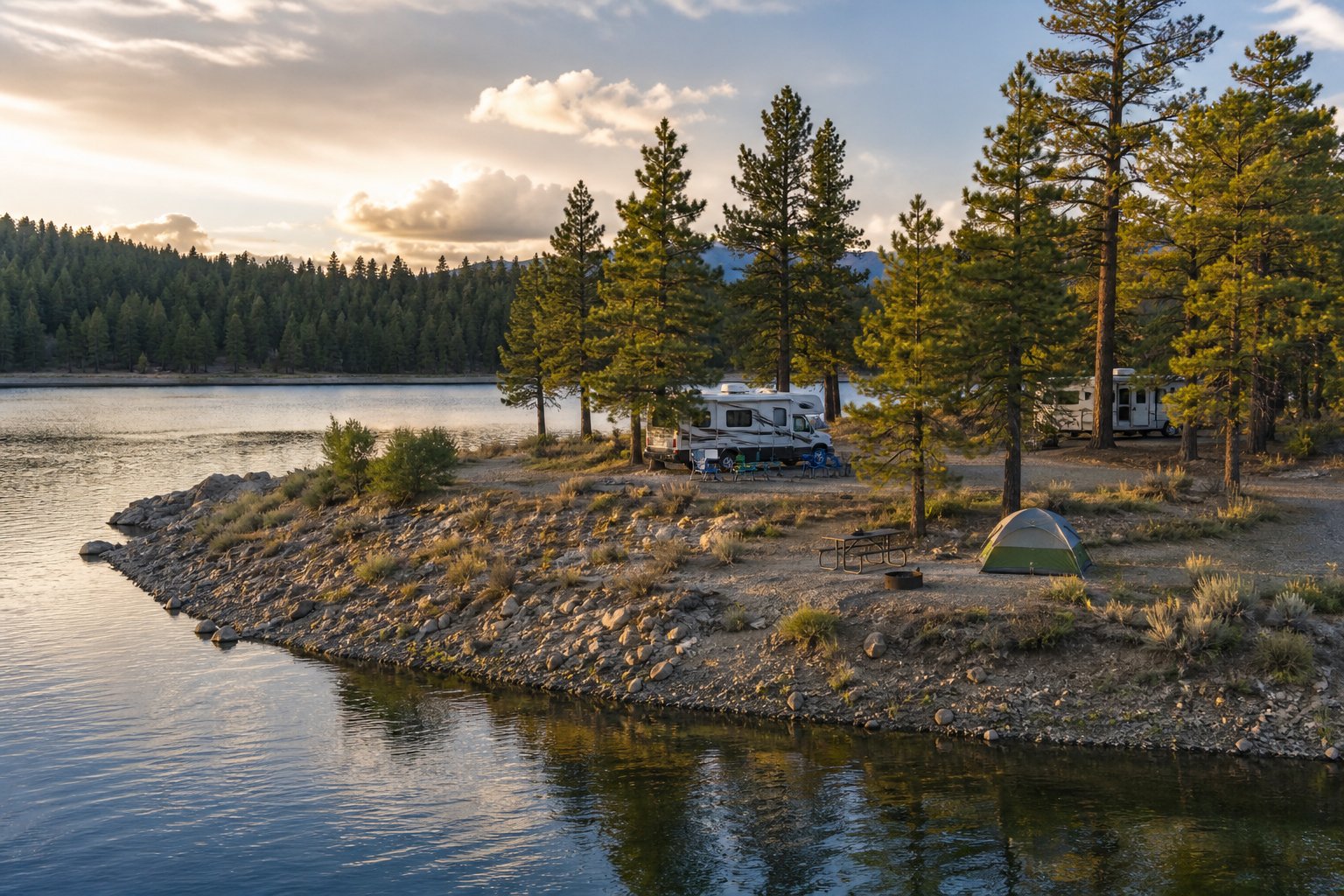
Corps campgrounds were built around flood-control and recreation mandates, not profit-per-pad. That shows in the site spacing: many loops sit on peninsulas with water on two or three sides, tree canopy is mature, and boat ramps are integrated rather than upsold. Electric hookups are common at Class A loops; water and sewer are less universal but dump stations are well maintained.
The tradeoff is consistency. Some USACE campgrounds have been starved of maintenance budgets for a decade. Others — particularly at flagship reservoirs — have seen recent upgrades to bathhouses, Wi-Fi at the gate, and resurfaced pads. Read recent campground reviews on recreation.gov, but weigh them against the reviewer who arrived in a 45-foot fifth wheel at a site rated for 35 feet. Site length data in the listing is authoritative.
Table Rock Lake, Missouri
Table Rock is the Corps lake that teaches you how site geometry matters. The best waterfront loops are at Indian Point Campground and Cricket Creek Recreation Area — both on the Indian Point peninsula south of Branson. Peninsula sites face open water with prevailing southwest summer breezes; interior cove sites trap heat and boat wake on holiday weekends.
Book Indian Point Loop B and C for 50-amp service and the longest pads. Loop A has excellent tent platforms but shorter RV sites. The reservation window on recreation.gov fills for Memorial Day through Labor Day within days of opening — set your calendar for exactly six months prior and book a weekday anchor if weekend sites are gone.
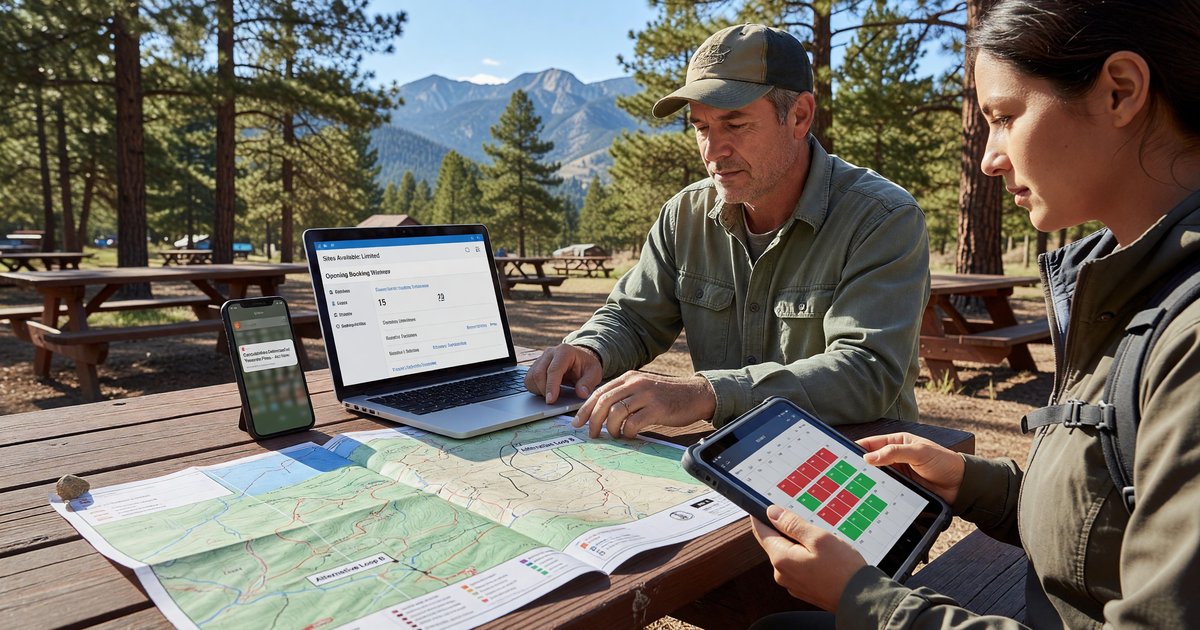
Insider site selection: On the campground map, look for sites where the pad sits above the waterline with a short walk to the shore. Sites at the base of a slope flood during heavy rain events and collect morning fog that keeps tents damp until 10 AM.
Dale Hollow Lake, Tennessee and Kentucky
Dale Hollow is clear, deep, and cold — a different product than the warm Ozark lakes. Obey River Campground on the Tennessee side and Dale Hollow Dam Campground near Celina offer the best combination of shade, depth for swimming, and proximity to marinas.
Obey River's upper loops have newer electrical pedestals and better pad leveling. Dale Hollow Dam puts you closer to houseboating culture and the famous smallmouth bass water. For tent campers, Pleasant Grove Campground has walk-in sites above the lake that directors use as overflow when the main loops sell out — quieter, fewer generators, and a five-minute drive to Obey River's boat ramp.
Lake Mead National Recreation Area (Adjacent USACE and NPS)
Lake Mead itself is NPS-managed, but the broader Colorado River reservoir system includes Corps-adjacent projects and cooperative campgrounds worth knowing. Boulder Beach Campground on Lake Mead's Nevada side is NPS, not Corps, but the booking logic is identical: peninsula sites in the 21-45 range face Black Canyon and catch sunset; interior sites along the access road get RV traffic dust and minimal breeze.
For Corps-managed Colorado River storage nearby, Lake Mohave (also NPS) and Willow Beach area campgrounds serve as the lower-desert counterpart. Site selection here is about shade structure, not trees — look for ramada coverage and orientation that puts the RV door in shadow by 3 PM.
Bull Shoals and Beaver Lake, Arkansas Ozarks
These are the reservoirs where Midwest families learned lake camping, and the Corps infrastructure reflects decades of use. Oak Grove Park on Bull Shoals and Dam Site Park on Beaver Lake remain director favorites for multi-generational trips — large group shelters, swim beaches, and loops that mix tent and RV without the chaos of a KOA.
At Beaver Lake, Indian Creek Campground has the best cove protection for small boats. Bull Shoals' Pontiac Cove puts you on the Missouri side with less weekend traffic than the Arkansas access points.
Peninsula vs. Cove: Site Selection Framework
This is the decision that separates a good lake site from a great one.
Peninsula sites offer views, breeze, and psychological space. They expose you to wind and boat wake on busy weekends. Best for shoulder season (May, September) and groups who prioritize atmosphere over calm water.
Cove sites sit in protected arms with calmer swimming and less wake. They trade views for tranquility. Best for families with small children, paddleboard-focused trips, and peak summer weeks when the main lake is crowded.
Interior loop sites — no water view — are the underrated play. They book last, cost the same, and at well-designed Corps campgrounds they are often 100 yards from the shore with less generator noise than waterfront rows. Use them as a base and walk to the peninsula for evening cocktails.
Reservation Strategy
Most USACE campgrounds on recreation.gov follow the six-month rolling window at 10 AM Eastern. Tennessee Valley Authority lakes and some Vicksburg District projects use different platforms — verify on the specific lake's USACE project page before planning.
Cancellation churn is meaningful at Corps lakes. Unlike national park valley campgrounds, many USACE sites see cancellations two to four weeks out as boaters adjust schedules. Check recreation.gov daily in that window, or use an alert service.
For first-come-first-served Corps campgrounds (still common at smaller projects), arrive Thursday afternoon. Friday morning lines at popular Arkansas and Missouri lakes can exceed 20 rigs.
Frequently Asked Questions
How do I reserve a Corps of Engineers campground? Most Corps campgrounds book through recreation.gov or ReserveAmerica depending on the district. The standard window is six months in advance on a rolling daily basis. Search by lake name, create an account with payment saved, and book at the exact release time for your target date.
Are Corps of Engineers campgrounds full hookup? Most offer electric and water at the site, with a central dump station rather than sewer at each pad. Full hookup sites exist at some premium loops but are not the norm. Check the specific campground amenities before booking.
What is the best Corps lake for fishing and camping? Dale Hollow Lake is renowned for smallmouth bass with excellent campgrounds at Obey River and Dale Hollow Dam. Table Rock Lake combines strong fishing with Ozark amenities. Bull Shoals offers world-class bass and walleye with multiple Corps campgrounds.
Should I book a peninsula or cove campsite? Peninsula sites offer better views and breeze but more boat wake on busy weekends. Cove sites provide calmer water for swimming and paddling. For peak summer holidays, coves win. For shoulder season trips, peninsulas are worth the wake.
Do Corps campgrounds allow generators? Generator policies vary by campground. Many restrict hours (commonly 6 AM to 10 PM) and prohibit generators in certain loops. Electric hookup loops typically expect pedestal power. Check the campground's specific rules before your trip.
Further Reading
- US Army Corps of Engineers — Recreation and Lake Locator — Official directory of Corps lake projects and recreation areas.
- Recreation.gov — USACE Campgrounds — Primary reservation platform for most Corps campgrounds.