Walk-in and hike-in tent sites occupy a specific tier in the campground hierarchy: close enough to infrastructure that you are not committing to a full backcountry permit, far enough from the parking loop that the experience feels earned. Directors who book these sites well deliver clients the quiet of dispersed camping with the reliability of a numbered pad, a bear box, and a privy somewhere within reasonable distance.
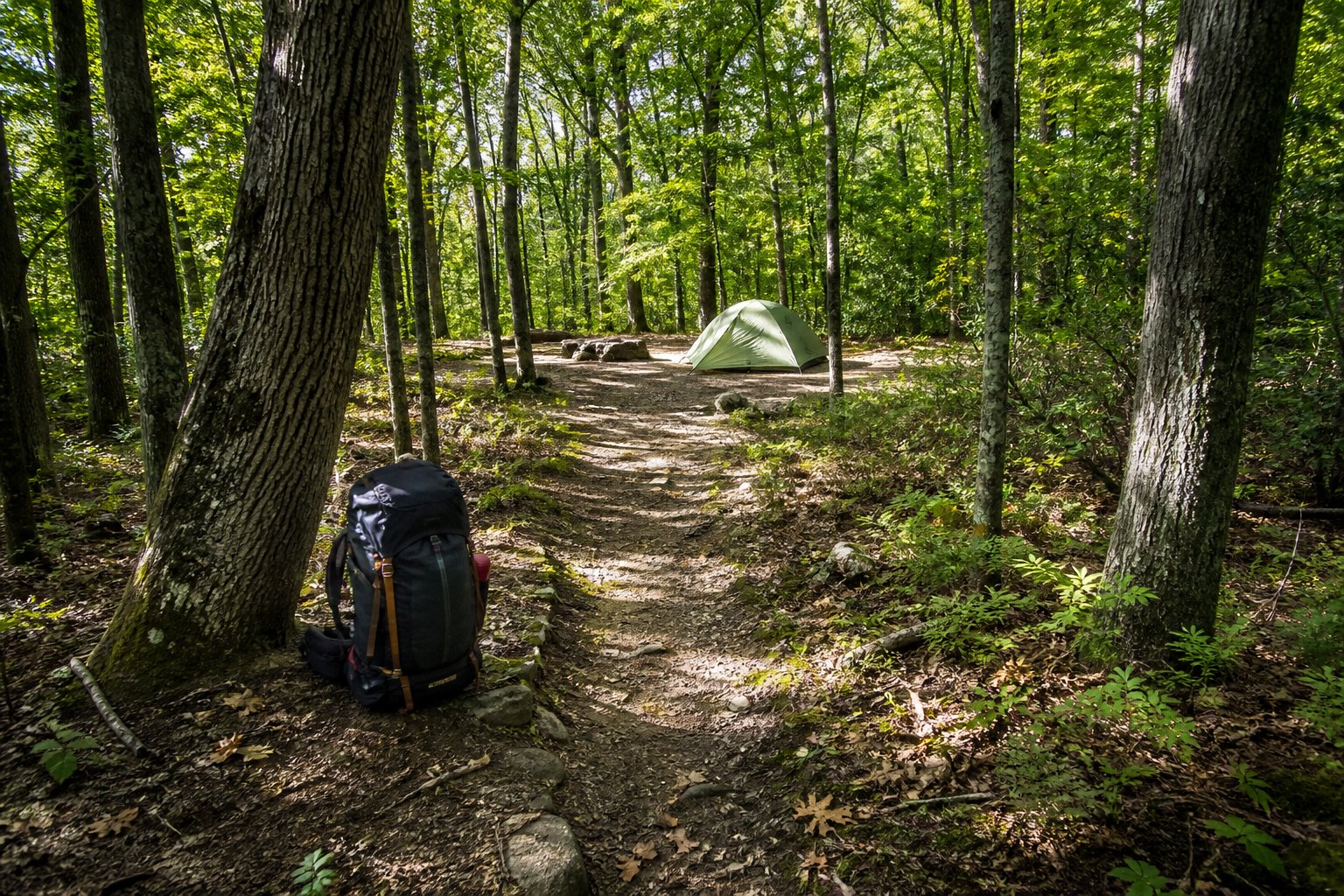
The distinction matters. Walk-in sites typically sit 50 to 500 yards from a parking area — gear is carried by hand or cart. Hike-in sites may require a mile or more on trail, sometimes with elevation gain, and operate under backcountry regulations even when they appear on a frontcountry campground map. Treat them as different products with different gear and booking strategies.
Where the Best Walk-In Loops Sit
Acadia National Park — Seawall Campground, Walk-In Tent Loop: The southwest side of Mount Desert Island. Walk-in sites are 100-300 yards from the parking area through spruce forest to rocky shoreline. Book through recreation.gov six months out; these sites fill slower than Blackwoods but disappear for August weeks by March. Site W-12 through W-18 sit closest to the Ship Harbor trailhead.
California State Parks — Kirk Creek Campground (Big Sur): Not strictly walk-in, but several bluff-top tent sites require descending stairs from the parking area with no vehicle at the pad. The ocean-view sites on the western bluff are the prize. Reserve through ReserveCalifornia; the booking window is six months with a monthly block release.
Minnesota State Parks — Tettegouche State Park: Walk-in cart-in sites on the Baptism River. Carts are available at the registration office. Sites 1-4 sit above the river gorge; the carry is 200 yards but the payoff is waterfall access without the main campground noise.
Great Smoky Mountains — Backcountry-adjacent frontcountry: While true backcountry requires a permit, several Smokies-area state parks offer walk-in loops. Cades Cove Campground in the park itself has group sites requiring a short carry, but for walk-in specifically, look to Elkmont's tent-only sections and adjacent Townsend, Tennessee private walk-in areas as overflow when Elkmont sells out.
Hike-In Sites Worth the Miles
Yosemite National Park — High Sierra Camps (not walk-in, but context): True hike-in at Yosemite requires wilderness permits. For a middle ground, Tuolumne Meadows Walk-In Campground (when operating) and the Camp 4 walk-in climber camp serve different audiences. Camp 4 is first-come, line-at-dawn culture — not a reservation product.
Olympic National Park — Ozette Campground: Three-mile flat walk to coastal wilderness campsites. This is hike-in frontcountry — you register at the trailhead, carry everything, and camp at designated sites along the Ozette Loop. Not a traditional campground pad, but the booking and access model matches hike-in logic.
Adirondack State Park — Lake George Island campsites: Boat-in and hike-in sites across the Adirondack interior. Rollins Pond Campground offers carry sites 0.25 to 0.5 miles from parking along the pond shore. New York's ReserveAmerica system books these; shoulder season availability is excellent.
Gear Caching: The Director's Workflow
Walk-in sites reward a caching system that minimizes trips without overpacking the first carry.
Trip one — shelter and sleep system. Tent, sleeping pads, bags, and camp chairs. This is the heaviest load; use a framed pack rather than grocery bags. If the campground provides carts (many state parks do), reserve one at check-in and return it before dark.
Trip two — kitchen and comfort. Cooler, stove, cooking kit, lantern. Keep the cooler closed between trips; double-bag ice and use frozen water bottles as ice blocks to reduce slosh on uneven trail.
Trip three — personal items and firewood. Firewood rules vary — many parks prohibit outside wood. Buy at the camp store on trip three rather than carrying it from the parking lot on trip one.
For hike-in sites beyond a quarter mile, consolidate to a single trip. Every ounce matters. Directors standardize a hike-in kit separate from car-camping gear: lighter tent, compact stove, dehydrated meals, water filtration instead of hauling gallons.
Distance Tradeoffs
The relationship between carry distance and experience quality is not linear.
Under 100 yards: Functionally car camping with extra steps. Generator noise from the main loop still reaches you. Worth booking only for tent-only policy and slightly better spacing.
100-400 yards: The sweet spot. Most car campers will not make the carry; you lose the RV crowd. You retain access to flush toilets and potable water at the trailhead. This is where walk-in sites outperform backcountry for families and first-time tent campers.
400 yards to one mile: Transition zone. Carts rarely reach these sites. You gain significant quiet but must plan water (how many gallons per person per day?) and accept that a forgotten item means a real hike back.
Beyond one mile: Backcountry rules apply mentally even if the site is on a campground map. Filter water, pack out all waste, and treat weather changes seriously. The site selection decision should prioritize shelter from wind and proximity to water over views.
Reservation Tips
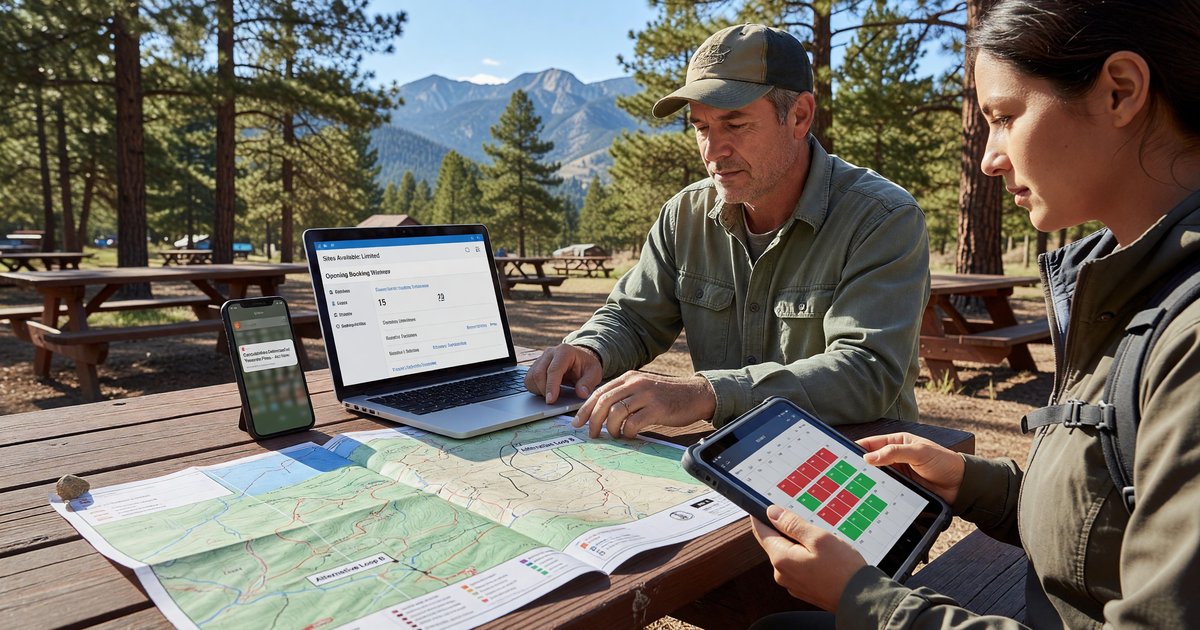
Walk-in loops often hide inside a larger campground listing. On recreation.gov, filter by "Tent Only" and read site descriptions for "walk to site" language. Site maps show parking icons separate from tent icons — learn the legend before booking.
Walk-in sites frequently remain available when standard sites sell out. If your target park is full, check walk-in availability before abandoning the dates.
Cancellation windows at walk-in loops are shorter than RV sites because the booking demographic changes plans less frequently. Monitor two weeks before arrival.
For first-come walk-in areas (Camp 4 Yosemite, some state park loops), the director playbook is arrival-day reconnaissance: send one person at dawn to hold a site while the group completes park entry logistics.
Frequently Asked Questions
What is the difference between walk-in and hike-in campsites? Walk-in sites are typically 50-500 yards from parking, accessible by foot or campground cart. Hike-in sites require carrying gear a mile or more, often on trail. Hike-in sites operate closer to backcountry rules even when listed on a frontcountry map.
Do walk-in campsites have bathrooms and water? Most walk-in loops have toilets and potable water at the parking area or trailhead, not at individual sites. Hike-in sites may have only a privy and require filtering water from natural sources.
Can I use a cart at walk-in campgrounds? Many state parks provide carts at registration on a first-come basis. National park walk-in loops rarely provide carts. Collapsible wagons work on smooth paths but fail on stairs, sand, or rocky terrain.
Are walk-in sites easier to book than standard sites? Often yes. Walk-in loops fill slower because many campers prefer vehicle-adjacent sites. When a popular campground shows sold out, check walk-in availability before changing dates.
What gear should I pack differently for a hike-in site? Prioritize weight reduction: compact tent, lightweight sleep system, dehydrated meals, and water filtration. Use a proper backpack. Consolidate to a single carry if the walk exceeds a quarter mile.
Further Reading
- National Park Service — Backcountry Camping — NPS guidance on backcountry and hike-in camping regulations.
- Recreation.gov — Tent-Only Site Search — Filter campground listings by tent-only and walk-in site types.