Hang-tag temperature numbers look precise. In the field they are a starting point, not a thermostat. For fall and shoulder-season trips in North America, buying to the wrong number on the label is one of the most common ways campers end up cold, underslept, or packing a bag that is heavier than they needed.
What ISO 23537 actually measures
Reputable adult sleeping bags are tested under ISO 23537 (the successor to the older EN 13537 protocol). A heated manikin in thin base layers sits in the bag on a standardized pad inside a climate chamber. The lab reports several thresholds; the two that matter at retail are:
- Comfort — the temperature at which a cold sleeper can sleep comfortably in a relaxed posture.
- Lower Limit (Limit) — the temperature at which a warm sleeper can still sleep in a curled posture without feeling cold.
The Extreme figure is a survival boundary, not a camping target. Ignore it when shopping for weekend and vacation trips.
ISO 23537-1:2022 covers bags with limit temperatures of −20°C and warmer. It does not apply to children's bags or expedition-specific designs.
Comfort vs the single number on the hang tag
Many U.S. hang tags still lead with one Fahrenheit number that tracks closer to Lower Limit than Comfort. The gap between Comfort and Limit is often about 10–15°F. A bag marketed as "20°F" may feel comfortable nearer 30–35°F for a cold sleeper.
Practical rule for fall:
- Decide the coldest overnight low you actually expect (not the average).
- Shop primarily to Comfort, or treat Limit as ~10–15°F colder than real Comfort.
- Add a 5–10°F buffer below that expected low if you sleep cold, use a light pad, or camp in damp coastal or high-elevation air.
Example: forecast lows around 35°F in a northern Michigan or Colorado foothills fall weekend. A cold sleeper should look for Comfort near 25°F or colder, not a summer "40°F" bag stretched with a liner.
Pad R-value is half the sleep system
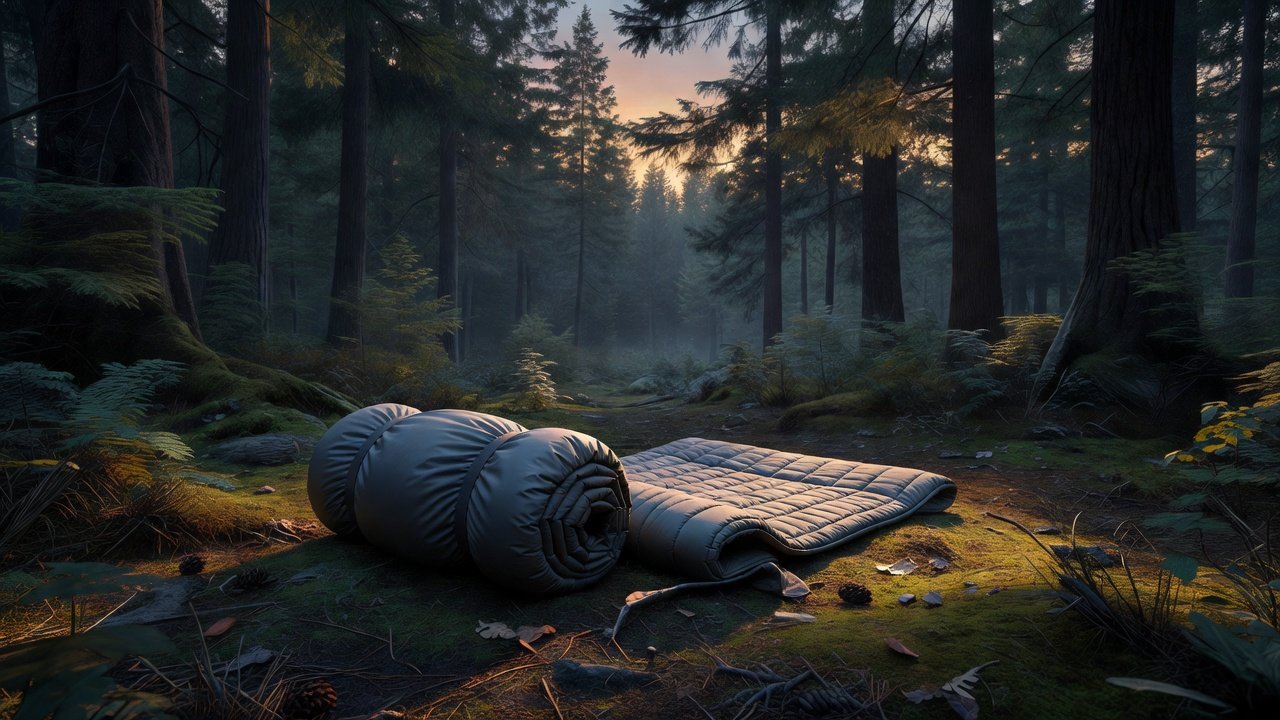
A bag only insulates the top and sides. Heat lost into the ground is controlled by the sleeping pad's R-value. A correctly rated bag on a summer pad will still feel cold on shoulder-season dirt or rock.
Rough field targets:
- Warm summer nights: about R-2 to R-3
- Three-season down toward the mid-20s°F: about R-3.5 to R-5
- Snow or frozen ground: R-5+ (stacked foam + inflatable pads add)
If your fall bag feels underperforming, check the pad before you buy a heavier bag.
Three-season vs summer bags for shoulder season
Summer bags (often Comfort in the mid-30s°F and up) are the wrong primary tool once overnight lows routinely dip into the 20s and low 30s. A liner can add roughly 10–15°F of help, but it is a patch, not a substitute for a three-season bag on mountain or northern trips.
Three-season bags with Limit around 15–32°F (Comfort accordingly warmer) cover most U.S. and Canadian shoulder-season trips when paired with an adequate pad. That range is the default purchase for someone who camps spring through fall and does not need a dedicated winter bag.
Down packs smaller and loft better when dry; synthetic keeps more loft when damp. Fall humidity, dew, and condensed breath favor synthetic or treated down if you cannot guarantee dry packing discipline.
How to read a bag before you buy
- Prefer brands that publish ISO Comfort and Limit, not only a marketing "season" score.
- Match shape to use: mummy bags warm more efficiently; rectangular bags sleep roomier and usually colder for the same fill.
- Check hood and draft collar quality — both matter more than marketing loft photos.
- Weigh the packed size against your trip style (car camping vs backpacking).
Bottom line for fall trips
Buy to Comfort plus a buffer, not to the bravest number on the hang tag. Pair the bag with a pad whose R-value matches the season. Treat Extreme ratings as irrelevant for normal camping. That combination — not a single Fahrenheit claim — is what keeps shoulder-season nights sleepable.