A family from outside the United States planning a week of national park camping now faces a fee structure that did not exist before 2026. At 11 of the most-visited parks, non-U.S. residents age 16 and older pay a per-person nonresident fee on top of the standard entrance fee. If you are camping with a group of international friends or hosting visitors, the arithmetic changes quickly, and so does the case for buying a pass.
This article sticks to what the National Park Service and the Interior Department have published. Where the agency pages are silent, we say so rather than guess.
What the Surcharge Is
According to the NPS nonresident fees page, the fee is $100 per person for non-U.S. residents ages 16 and over, charged at 11 parks and added to the standard entrance fee. U.S. residents and anyone under 16 do not pay it. The Interior Department's announcement set the new pricing to take effect January 1, 2026.
The 11 parks listed by NPS are:
- Acadia
- Bryce Canyon
- Everglades
- Glacier
- Grand Canyon
- Grand Teton
- Rocky Mountain
- Sequoia and Kings Canyon
- Yellowstone
- Yosemite
- Zion
The fee is not system-wide. Parks outside the list of 11 do not carry it, which matters for route planning. A trip built around smaller parks, national seashores or national forests can avoid the surcharge entirely, though forest and state-park fees follow their own rules.
The Nonresident Annual Pass
NPS lists a nonresident America the Beautiful annual pass at $250, versus $80 for U.S. residents. According to NPS, a valid annual or park-specific pass covers entrance and the nonresident fee for the holder and passengers in a private vehicle, or two motorcycles. Where fees are charged per person, it covers the holder plus three additional adults. Passes bought before January 1, 2026 remain valid for 12 months from purchase under their original terms.
Run the numbers for your group. A single traveler paying $100 at three of the listed parks has already passed $250 in surcharges, before counting entrance fees. A larger group in one vehicle is stronger still, since one pass covers the vehicle. Our own comparison is simple arithmetic from the published figures; confirm your group's exact entrance fees on each park's page. Per the Interior announcement, passes are now sold digitally through Recreation.gov and can be stored on a mobile device.
A quick example using only the published figures: four non-U.S. resident adults arriving in one private vehicle at a listed park would owe $400 in nonresident fees (4 x $100), before the standard entrance fee. One $250 nonresident annual pass would cover all four, because it covers the vehicle. Add a second listed park and the gap widens. A solo traveler's break-even is lower than most people expect: three visits to listed parks reach $300 in surcharges alone. Remember that the pass price is only part of the picture, since camping fees are separate either way.
Fee-Free Days Are Resident-Only
The 2026 fee-free days, such as Memorial Day and Veterans Day, apply only to U.S. residents, according to NPS. Non-U.S. residents pay entrance and the nonresident fee on those dates. If your trip happens to overlap a fee-free day, do not plan around it.
What NPS Does Not Say
Here is where we cannot give a confident answer. The NPS nonresident page covers entrance and nonresident fees only. It does not address how the surcharge interacts with a campground reservation, and park pages generally say campground fees are separate. Glacier, for example, states that its annual pass does not cover camping fees, and Everglades says separate fees apply for camping. That tells you the camping fee is its own charge. It does not tell you whether a camper entering the park on a reservation still pays the entrance-plus-surcharge amount at the gate, which is the likelier reading. Contact the specific park before you travel if the answer affects your budget.
NPS also describes how residency is verified for resident passes, accepting a U.S. passport, a state-issued driver's license or ID, or a Permanent Resident card. If you hold a resident pass and are not a U.S. resident, staff may ask you to upgrade. Canadians are not named, so under the page's wording they are non-U.S. residents and fall under the rule.
Policy can change. The system was announced in 2025 and began in 2026, and the details on agency pages have been updated since. Check the NPS page the week you travel.
Planning an International Camping Trip Around the Fee
Start with the park list and decide whether the trip needs the big names. Many travelers visit one or two of the 11 and fill the rest of the itinerary with parks not on the list. If you are staying for a few weeks, a nonresident pass may be the cheaper path even before you tally entrance fees, so work out the total before you buy anything at the gate.
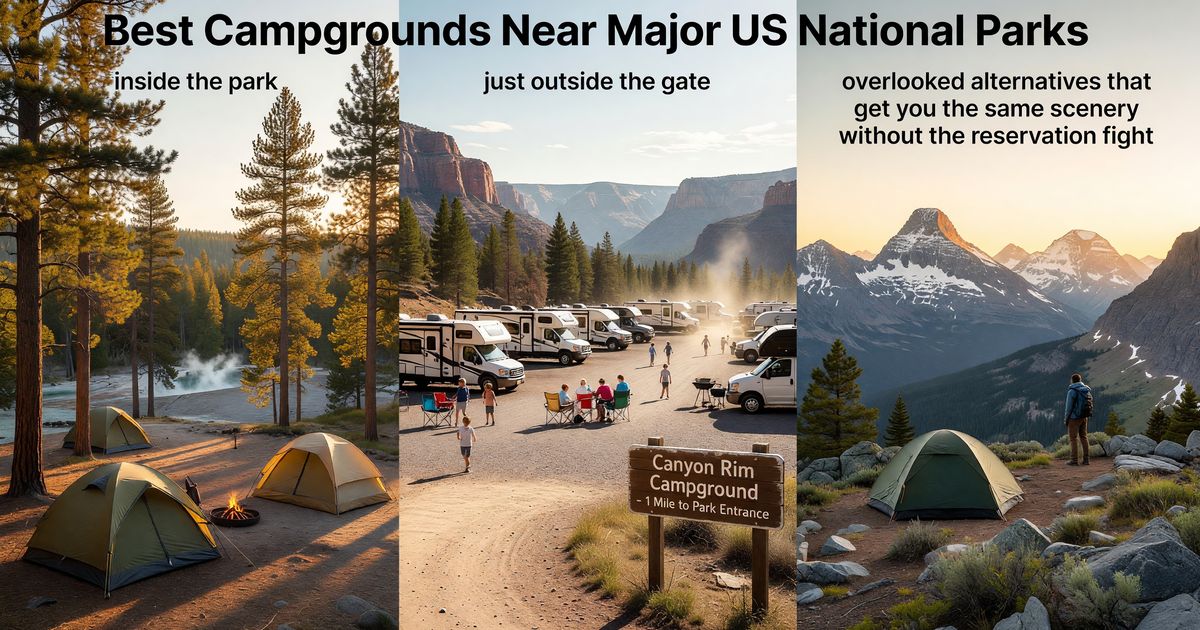
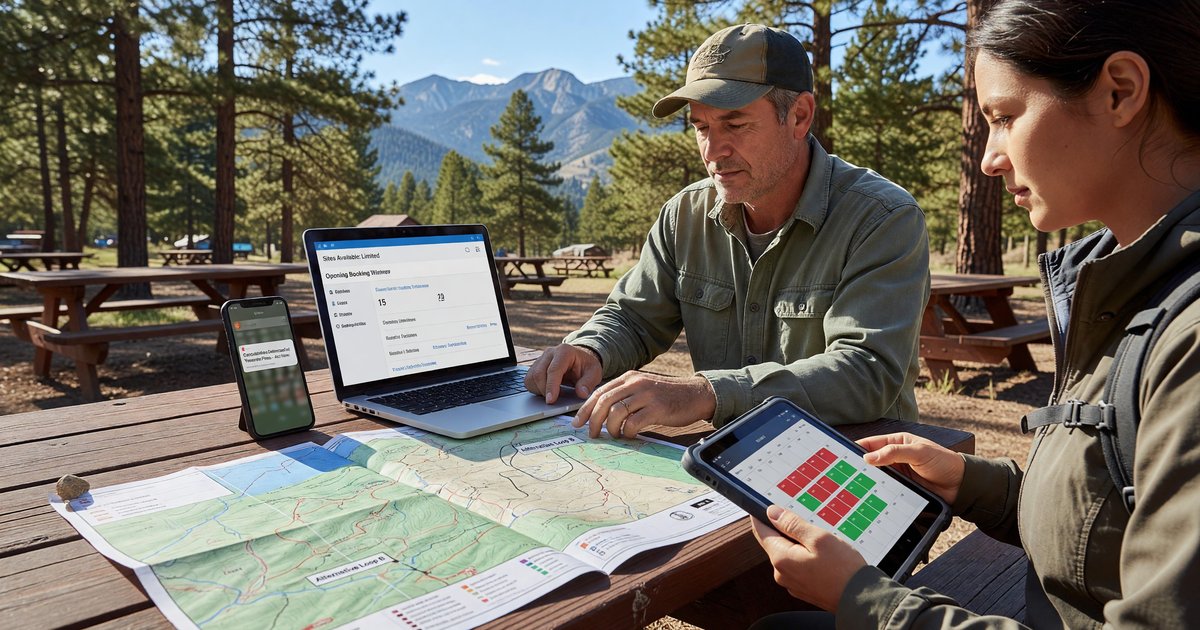
For campsites, remember that national park campgrounds book through Recreation.gov on a rolling window, and popular ones go quickly. Our Recreation.gov listing guide and best campgrounds near national parks cover the booking side. Finally, read the fee page for each park on your itinerary, keep your passport or ID handy, and screenshot the policy page you relied on.
Sources: NPS nonresident fees and the Interior Department announcement on NPS.gov.